Beginner’s Guide to the Gym
Starting a fitness journey can feel both exciting and intimidating. Walking into a gym for the first time, surrounded by unfamiliar equipment and seasoned gym-goers, can make anyone feel unsure of where to start. But the truth is, everyone starts somewhere, and with a little guidance, the gym can become an empowering place to improve your health, strength, and overall well-being. This beginner’s guide is designed to help you navigate the gym confidently and set yourself up for success.
1. Set Clear Goals
It’s important to define why you’re at the gym at the start of your journey. Are you looking to lose weight, build muscle, improve endurance, or adopt a healthier lifestyle? Clear goals give your workouts direction and help you track progress. For beginners, starting with specific, achievable goals like “I want to work out three times a week for 30 minutes” can make your fitness journey less overwhelming and more motivating.
2. Start With a Plan
A common mistake for gym beginners is wandering from machine to machine without a plan, which can lead to frustration or burnout. Taking the time to create a simple workout plan can make your sessions more productive. Focus on full-body workouts in the beginning, incorporating basic movements like squats, push-ups, rows, and planks. These exercises engage multiple muscle groups and help build a solid foundation of strength.
3. Learn Proper Form
Using gym equipment incorrectly can increase the risk of injury and slow down progress. As a beginner, prioritize learning proper form over lifting heavy weights. Watching instructional videos, attending beginner classes, or asking a trainer for guidance can help you master technique. Proper form not only keeps you safe but also ensures you get the most out of each exercise.
4. Don’t Be Afraid of the Machines
Gym machines are often seen as less intimidating for beginners, and they’re actually excellent tools for learning how to target specific muscles. Machines provide stability and guide your movements, which can be helpful until you’re comfortable with free weights and more complex exercises. Start with machines that target major muscle groups like the leg press, chest press, and lat pulldown before progressing to free weights.
5. Mix Cardio and Strength Training
Cardio and strength training have unique benefits, so a balanced approach is ideal. Cardio exercises help improve heart health and endurance. Strength training builds lean muscle, boosts metabolism, and improves functional strength for everyday activities. Beginners can benefit from around 150 minutes of moderate cardio each week, combined with two to three sessions of strength training.
6. Warm-Up and Cool Down
Skipping warm-ups or cool-downs is a common beginner mistake. Warming up increases blood flow to your muscles, lessens the risk of injury, and prepares your body for more intense activity. A simple warm-up could include five to ten minutes of light cardio and dynamic stretches. Ending your workout with stretches can help ease muscle soreness and boost flexibility.
7. Listen to Your Body
It’s easy to get caught up in the excitement of starting a new routine, but overexertion can lead to injury or burnout. Pay attention to how your body feels and give yourself rest days when needed. Feeling sore after a workout is normal, but sharp pain or discomfort is your body’s way of saying to pause and check your form or lower the intensity. Progress takes time, and consistency is more important than perfection.
8. Stay Hydrated and Fuel Your Body
Nutrition and hydration play a large part in your fitness journey. Drinking water before, during, and after workouts keeps your body performing at its best. Fueling your body with a balanced diet full of protein, healthy fats, and complex carbs gives you the energy to exercise and helps your muscles recover. Consider pre- and post-workout snacks, like a banana with peanut butter or a protein smoothie, to fuel your workouts and support muscle repair.
9. Track Your Progress
Tracking your workouts, whether through a journal, app, or wearable device, can be incredibly motivating. Logging your exercises, sets, reps, and weights helps you see improvements over time and identify areas for growth. Celebrate milestones, no matter how small, because progress is progress.
10. Seek Support and Community
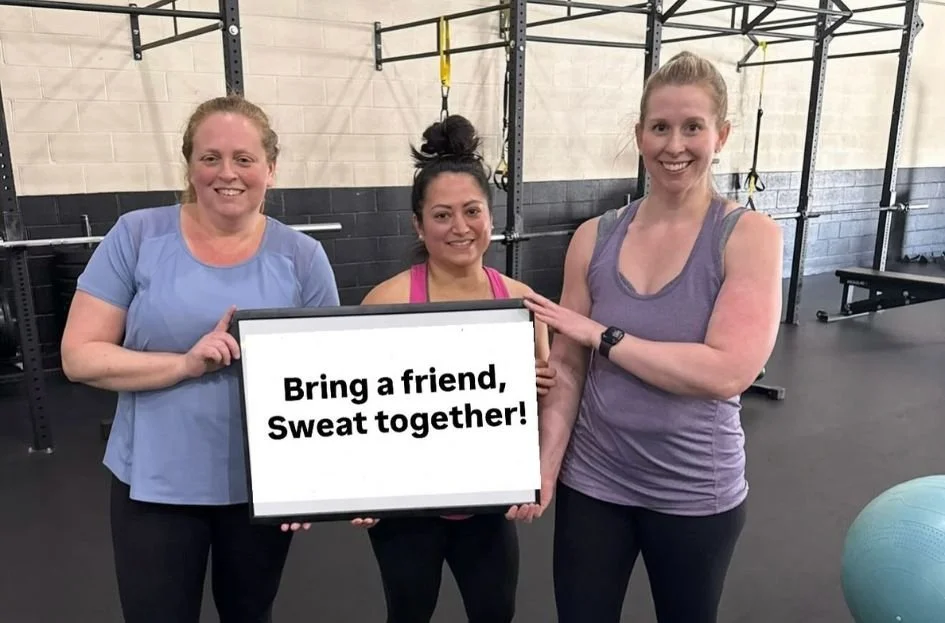
Finally, one of the most important tips for beginners is to seek support. Whether it’s a personal trainer, a workout buddy, or participating in group classes, having guidance and accountability can make a big difference. Group classes can be especially encouraging, as you’ll be surrounded by others on similar fitness journeys.
Starting at the gym doesn’t have to be intimidating. By setting goals, creating a plan, learning proper form, and balancing strength with cardio, you can confidently take the first steps toward a healthier, stronger you. At Evolve Athletics, we understand that every fitness journey is unique. Our team is committed to helping beginners feel welcome and supported while providing expert guidance and personalized training options to ensure you reach your goals safely and effectively. Whether you’re just starting out or looking to elevate your fitness routine, Evolve Athletics is here to help you every step of the way.